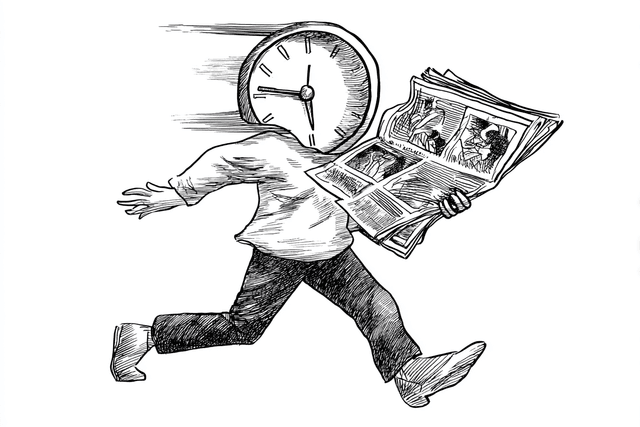
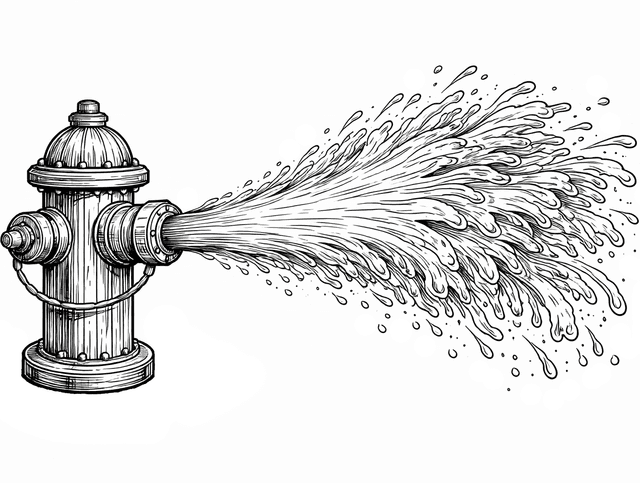
When software can be conjured from a conversation, the real differentiator won't be the code — it'll be the taste, the brand, and the vision behind it.
I built an autonomous research assistant using Claude scheduled tasks and ContextStore. It scans my projects, picks topics itself, and delivers a daily brief every morning. Karpathy recently posted about a similar workflow in Obsidian — nice validation that this pattern is taking hold.
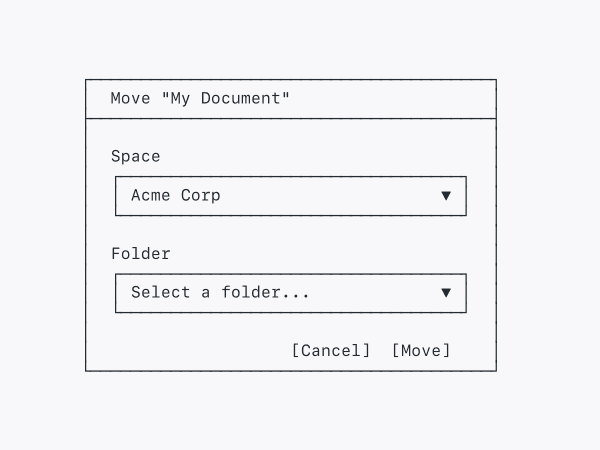
ASCII wireframes and flowcharts are one of the most practical things you can ask Claude to generate. I use them for UI tasks, dev plans, and increasingly as the design artifact itself.
AI is advancing on three areas at once. Better models, better harnesses, and better hardware. Understanding how they work together helps you make sense of where things are headed.
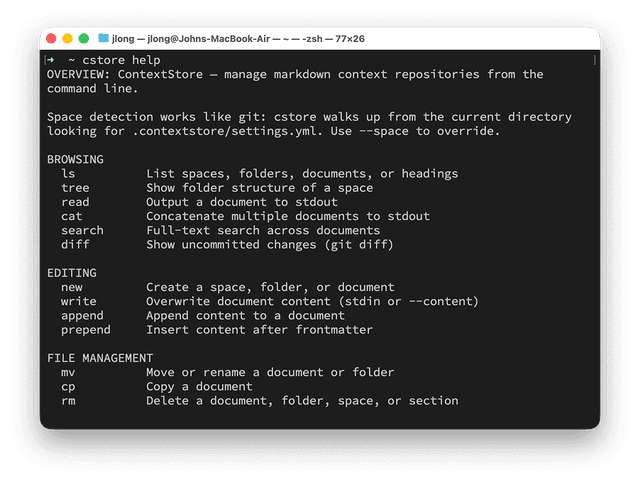
Your AI agent can read local files, but it doesn't know about your other ContextStore spaces. The cstore CLI bridges that gap — giving any agent access to all your context from any project.
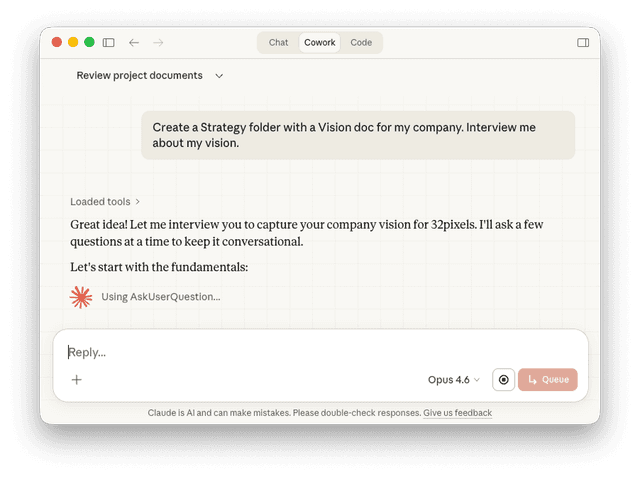
A step-by-step guide to connecting ContextStore to Claude Desktop using Cowork. Grant folder access, co-create documents with Claude, and give your AI the context it needs.
Most AGENTS.md files try to do too much. Treat yours as a table of contents — link to essential docs, let your LLM know where to look, and keep the file itself short and scannable.
Remote MCPs add a round-trip tax every time your AI needs context. Local Markdown files are faster, cheaper, and more reliable. Here's why that matters.
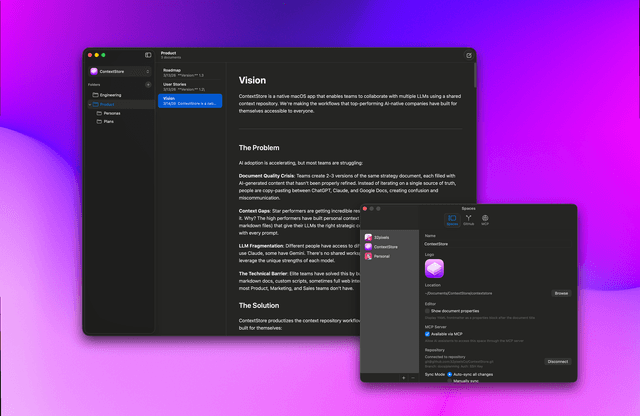
Poor AI output is usually a context problem, not a prompting problem. ContextStore is a native Mac app that makes it easy for anyone on your team to build and manage a Markdown-based context repository.
The build vs. buy equation has radically shifted. I built a full comment system for my blog in a few hours with AI — moderation, magic link auth, spam protection — and I own every piece of it.