Three areas of AI innovation

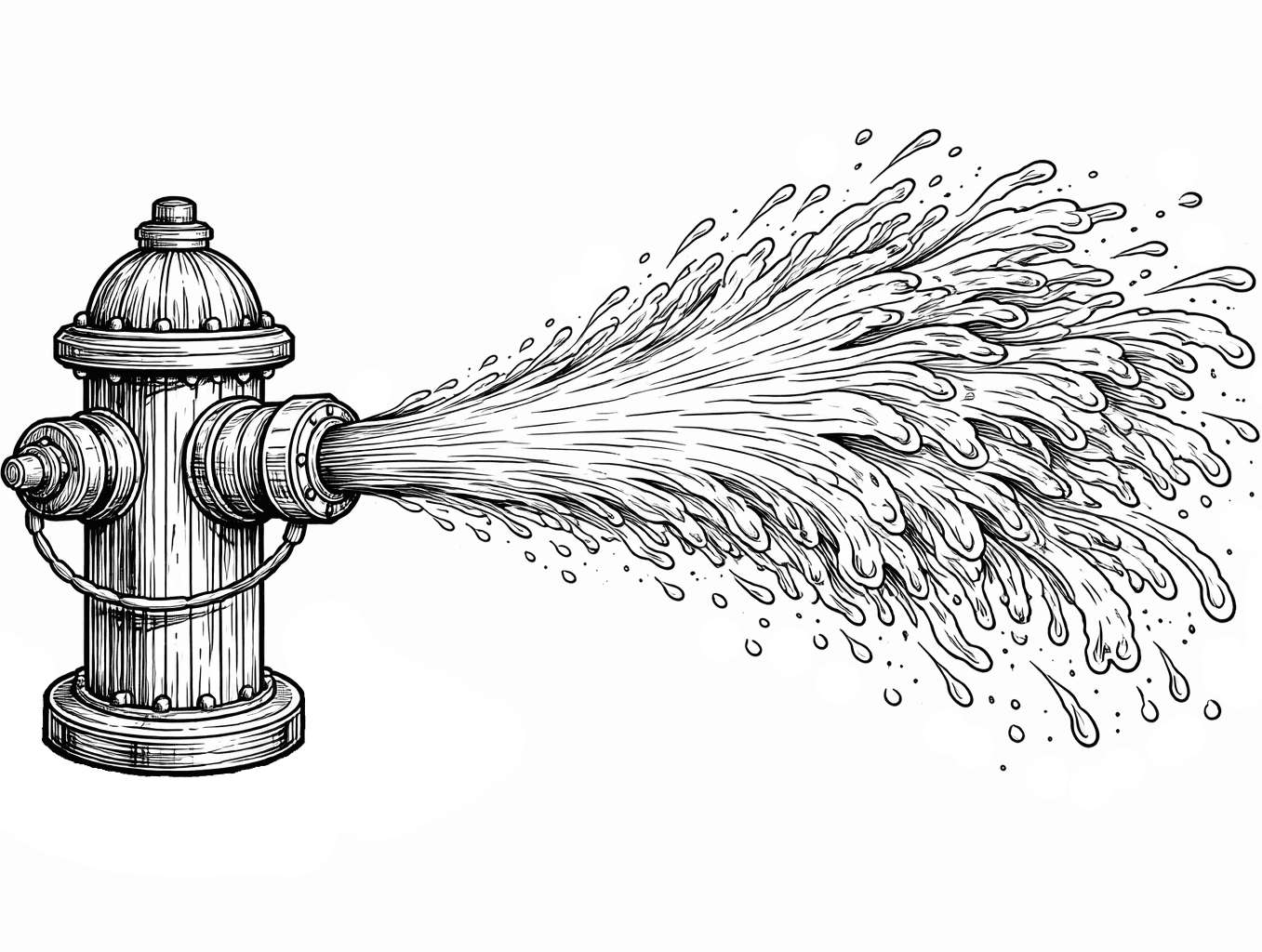
Trying to keep up with AI can feel like drinking from a firehydrant. New announcements every week. Benchmarks that are obsolete before the blog post lands. Tools and frameworks multiplying faster than anyone can evaluate them. It's a lot!
If you take a step back, most of what's happening fits into one of three categories:
1. Better models
Better models get the most attention. Every release of Claude or ChatGPT makes headlines. Claude Opus has had strong developer mindshare since December of last year. OpenAI recently shipped a newer version of Codex and many people are reporting that they like it better than Opus. Current research suggests that the complexity of tasks that AI can handle is doubling every 7 months or so. In 2022 an AI agent could handle a 30-second task. Today it can handle one that would take a human over 14 hours.
2. Better hardware
Better hardware is one that you may not have heard much about. Most AI today runs on general-purpose chips made by NVIDIA. But there is a new wave of startups designing chips built specifically for running AI models. Taalas, a Toronto startup, is a good example. They baked a model directly into custom silicon and hit 17,000 tokens per second, roughly 70x faster than NVIDIA's best chip running the same model (their demo, a chatbot named Jimmy responds with seriously impressive speed). Taalas's chip is faster and more energy efficient by a factor of 10x. Think about what that will do to token costs when something like this becomes mainstream. What will Claude be like running 10x faster? Swarms of agents will suddenly become practical.
3. Better harnesses
Better harnesses is the third area where we are seeing a lot of innovation. Harnesses include everything that wraps around a model to make it useful: the context it's given, the tools it can access, the rules it follows. Claude Code is a harness. So is Codex. The model is the brain; the harness is the job description and the toolbox. But it's not just the model makers that should be building harnesses. Every software company should be building custom agents, skills, and workflows that give AI better access to the right information at the right time.
Better models, better hardware, and better harnesses. These three areas are advancing at the same time with compounding impact. A faster chip makes a model more useful. A smarter model makes a harness more capable. A better harness gets more out of both.
Comments
You might also like…
How I manage my dev workflow with three Agent skills
John LongAIOne of the most exciting things about LLMs is their ability to do useful things that would be hard to script in the traditional sense. Skills take this further, letting you build intelligent workflows that handle the messy, context-dependent parts of product development.
AI, design, and the modern frontend on the Changelog & Friends podcast
John LongDesignBack in January, I posted on LinkedIn about using AI to build a documentation site for Opine. This prompted Adam Stokoviak to reach out about joining him on the Changelog & Friends podcast to talk about AI and the modern frontend. Adam and I have been friends for a very long time now, having collaborated on The Sass Way together. He's a great host, and really put me at ease as we talked about how I'm using AI in my own workflow as a designer. On the show we discussed how I'm integrating AI into my workflow as a designer. We also talked about Framer and Figma, Next.js, and other topics.
If software becomes ephemeral
John LongAIWhen software can be conjured from a conversation, the real differentiator won't be the code — it'll be the taste, the brand, and the vision behind it.

Create a daily brief with Claude scheduled tasks and ContextStore
John LongAII built an autonomous research assistant using Claude scheduled tasks and ContextStore. It scans my projects, picks topics itself, and delivers a daily brief every morning. Karpathy recently posted about a similar workflow in Obsidian — nice validation that this pattern is taking hold.